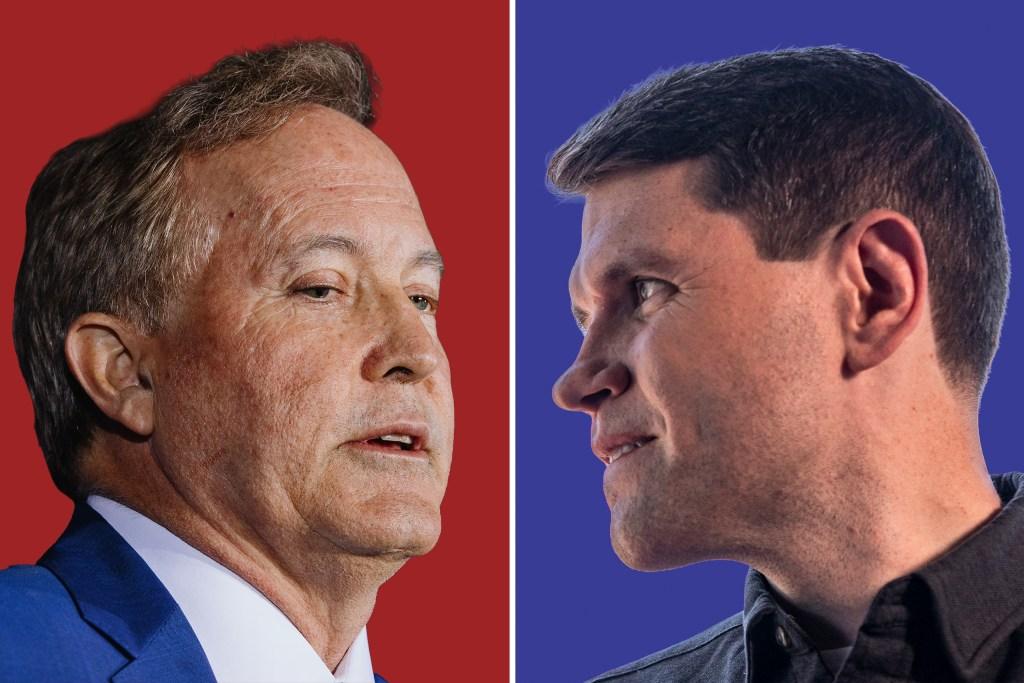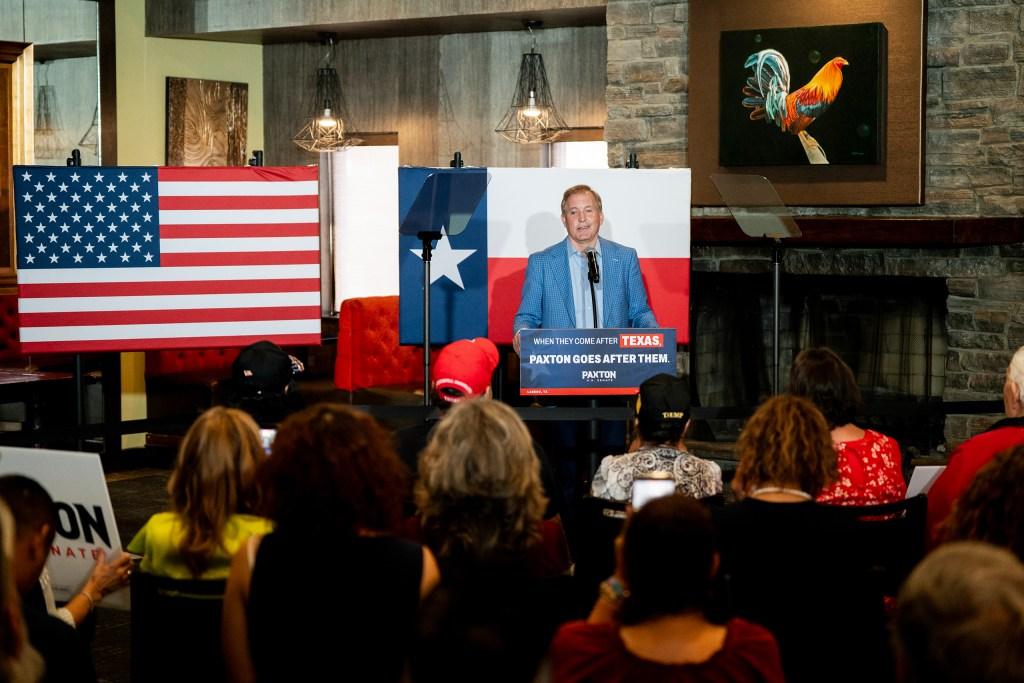








Texas hospitals are facing a significant financial crisis, compounded this week by news that the Trump administration is currently withholding $10 billion in Medicaid payments. In a striking contrast to three years ago, when the Biden administration threatened similar actions, Texas Attorney General and U.S. Senate candidate Ken Paxton has remained unusually quiet.
Paxton’s office previously took swift action to defend Texas against the Biden administration’s plans to withhold funds from the Comprehensive Hospital Increase Reimbursement Program (CHIRP). At that time, Paxton celebrated a legal victory, claiming, “This is not only a win for the integrity of Texas health care, but it’s also a defeat of Joe Biden’s unlawful overreach.” However, he has yet to file a lawsuit to challenge the Trump administration’s withholding of funds, a strategy that has proven effective in the past.
Texas Governor Greg Abbott, a fellow Trump ally, has publicly stated that there is nothing illegal about Texas’s efforts to secure these funds. Despite the urgency of the situation—Texas hospitals are losing approximately $27 million daily—neither Paxton’s office nor his campaign has commented on the funding freeze.
Political analysts suggest that Paxton’s silence is strategic. Brandon Rottinghaus, a political science professor at the University of Houston, noted that Paxton is in a precarious position as he campaigns against a well-funded Democratic opponent, state Rep. James Talarico. “He’s in a very politically delicate situation,” Rottinghaus said. “He doesn’t want the narrative to shift to Trump versus Paxton.”
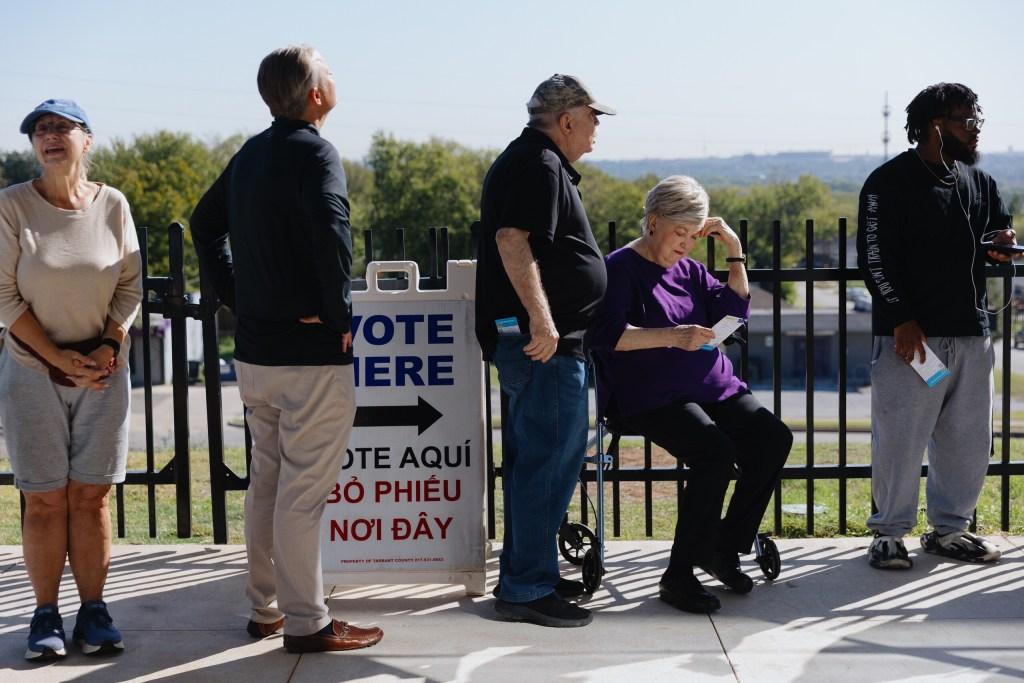
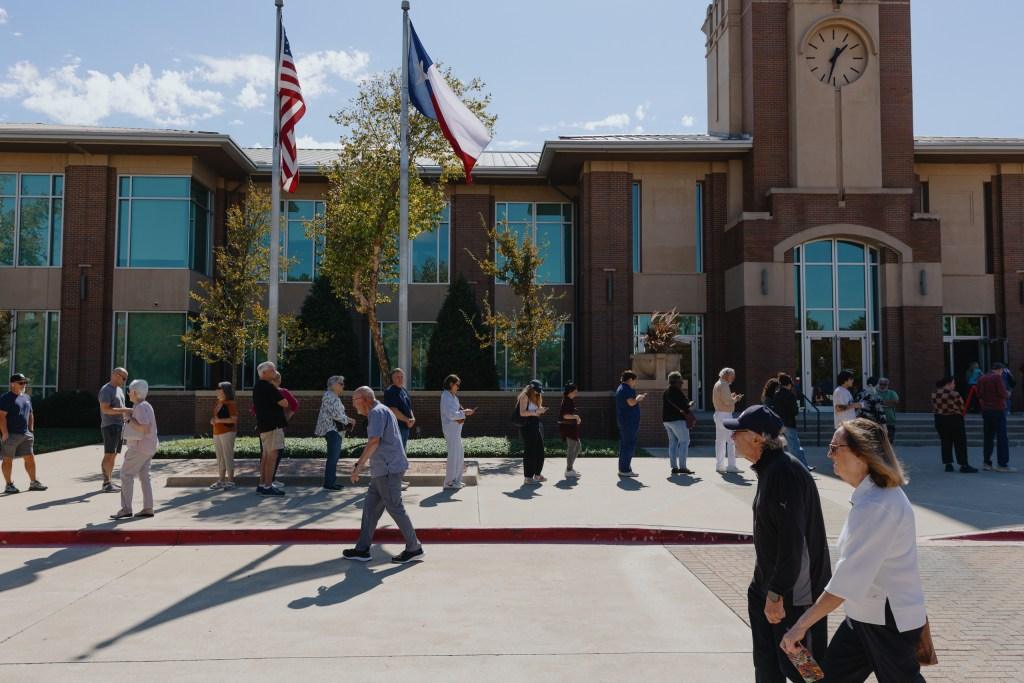
With early voting set to begin on October 19 and the Republican Midterm Convention occurring next week in Dallas, Paxton appears to be carefully maneuvering to avoid conflict with Trump and his supporters.
Governor Abbott has recently stepped in to support the Texas Health and Human Services Commission amid the ongoing standoff between Texas and Washington. A spokesperson for Abbott reiterated Texas’s commitment to fight for Medicaid, a crucial program that serves approximately 4 million low-income residents, including many children and elderly individuals in nursing homes.
The Texas Hospital Association has warned that the loss of this Medicaid funding could force hospitals to close their neonatal intensive care units and maternity wards, which are among the most costly services to provide. Rottinghaus emphasized the political ramifications of the situation, stating, “This is going to be politically messy for Republicans, especially for Greg Abbott and Ken Paxton, but it’s a fight they have to have.”
Under the CHIRP system, the Centers for Medicare and Medicaid Services (CMS) provides essential funding to hospitals to bridge the gap between their operational costs and Medicaid reimbursement rates, which are generally lower than those for physicians. Texas hospitals contribute approximately $4.2 billion annually through taxes to support this program.
The current dispute centers on Texas’s hospital taxing structure, which has drawn scrutiny from the Trump administration. CMS has raised concerns that Texas’s Local Provider Participation Fund (LPPF) model may shield hospitals from the taxes they are required to pay. However, Paxton’s office previously argued successfully in court that Texas’s informal agreements with hospitals are permissible under federal law.
This time, CMS is reportedly seeking a complete overhaul of Texas’s tax structure, a demand state officials contest as unnecessary. Paxton has not indicated whether he will pursue legal action against the Trump administration’s CMS over this issue.
As the financial impact of the funding cuts takes effect, hospital administrators are already grappling with the potential consequences. At a recent Dallas County Commissioners meeting, Parkland Health CEO Dr. Frederick Cerise revealed that the cuts would cost his hospital $528,000 daily. He emphasized the critical role of these funds and expressed skepticism about the state’s ability to compensate for any permanent loss of CHIRP funding.
“It’s hard to imagine the state’s going to backfill that with general revenue,” Cerise stated, highlighting the uncertainty surrounding the resolution of this federal-state dispute. “There’s a lot more uncertainty right now than we’ve ever had.”